How to start a business podcast: a studio checklist
A podcast is one of the best ways to show what you know and build trust. This checklist covers planning, recording in a studio and turning each episode into weeks of content.
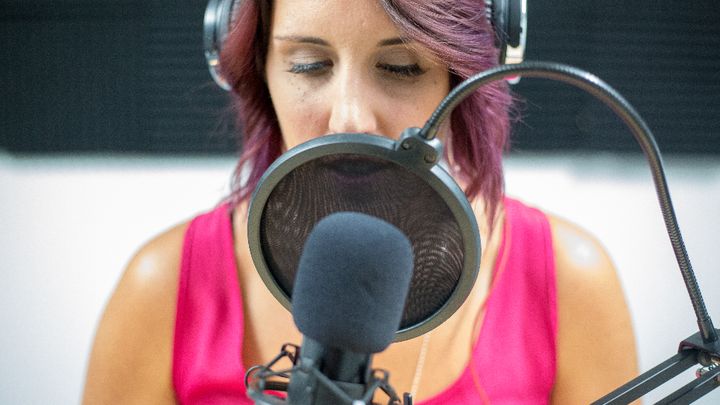
A podcast lets potential customers spend twenty minutes with you before they ever pick up the phone. For consultants, agencies, coaches, property professionals and anyone who sells expertise, starting a business podcast is one of the most effective ways to build trust at scale.
It is also easy to get wrong. Here is a practical checklist, from first idea to your fifth episode.
Before you record: plan the show
Decide who it is for
Pick one listener and write for them. "Small business owners in Gauteng who want to automate their admin" is a show. "Business" is not.
Choose a format you can keep up
| Format | Good for | Effort |
|---|---|---|
| Solo episodes | Teaching, quick tips | Low |
| Interviews | Networking, fresh perspectives | Medium |
| Co-hosted conversation | Personality, regular rhythm | Medium |
| Panel or roundtable | Events, deep topics | High |
Plan ten episodes, not one
Write down ten topics before you record anything. If you cannot, narrow the audience. Aim for a schedule you can keep - fortnightly is better than weekly for three weeks and then silence.
Recording day: why a studio makes a difference
Listeners forgive plain video. They do not forgive bad audio. Echoey rooms, laptop microphones and background noise are the fastest way to lose an audience.
Recording in a proper studio solves that:
- A treated room, so your voice sounds clear and close, not like a boardroom
- A microphone per person, so every voice is balanced
- Cameras set up and framed, so you get video for YouTube and social clips
- No setup stress, so you can focus on the conversation
The Joiin podcast studio in Vanderbijlpark is set up for exactly this: book by the hour, arrive, and record.
A recording-day checklist
- Send guests the topic and three or four questions a few days before
- Bring water, not coffee - it is kinder to your voice
- Silence phones, and turn off notifications on anything in the room
- Record a 30-second test and listen back before you start
- Clap once on camera at the start - it makes syncing audio and video easy
- Leave five minutes at the end for short clips and a trailer
After recording: get more from each episode
One recording can feed your marketing for weeks:
- Full episode on Spotify, Apple Podcasts and YouTube
- Three to five short clips for Instagram, TikTok, Facebook and LinkedIn
- A blog post summarising the key points, which also helps your Google ranking
- Quotes and audiograms for social posts
- An email to your list with the highlights
How long until it works?
Treat your first five episodes as practice. Most shows find their rhythm around episode ten. Measure success by the conversations it starts - clients who say "I heard you on your podcast" - not just download numbers.
Ready to record? See the packages and book a slot.
Frequently asked questions
Do I need my own equipment to start a podcast?
No. Booking a studio by the hour gives you a treated room, microphones and cameras, so you can test the idea properly before spending anything on gear.
How long should a business podcast episode be?
Long enough to cover the topic well. For most business shows, 20 to 40 minutes works. Consistency matters more than length.
Should I record video as well as audio?
Yes, if you can. Video lets you publish on YouTube and cut short clips for social media, which is how most new listeners find a show.
Want this working in your business?
Talk to the Joiin team - we will map where automation saves you time and money, then build it with you.
Keep reading
All articles → Content Creation2 min read
Drone photography for real estate and events: a buyer's guide
Aerial photos and video help listings stand out and make events look spectacular. Here is when drone footage is worth it, what to ask for, and the rules your provider must follow.
 AI Agents3 min read
AI receptionists for South African businesses: what they do and how to start
An AI receptionist answers every call and message, books appointments and passes hot leads to you. Here is what it can and cannot do, and how to roll one out without upsetting customers.
 WhatsApp & Messaging3 min read
WhatsApp automation for business: a practical guide for South Africa
WhatsApp is where your customers already are. This guide covers what you can automate, the rules Meta sets, and how to keep conversations personal while you scale.